
Scan to BIM
3D, LiDAR and photogrammetry
Using 3D scanning, LiDAR, and photogrammetry, we optimize project planning, minimize errors, and improve project execution.
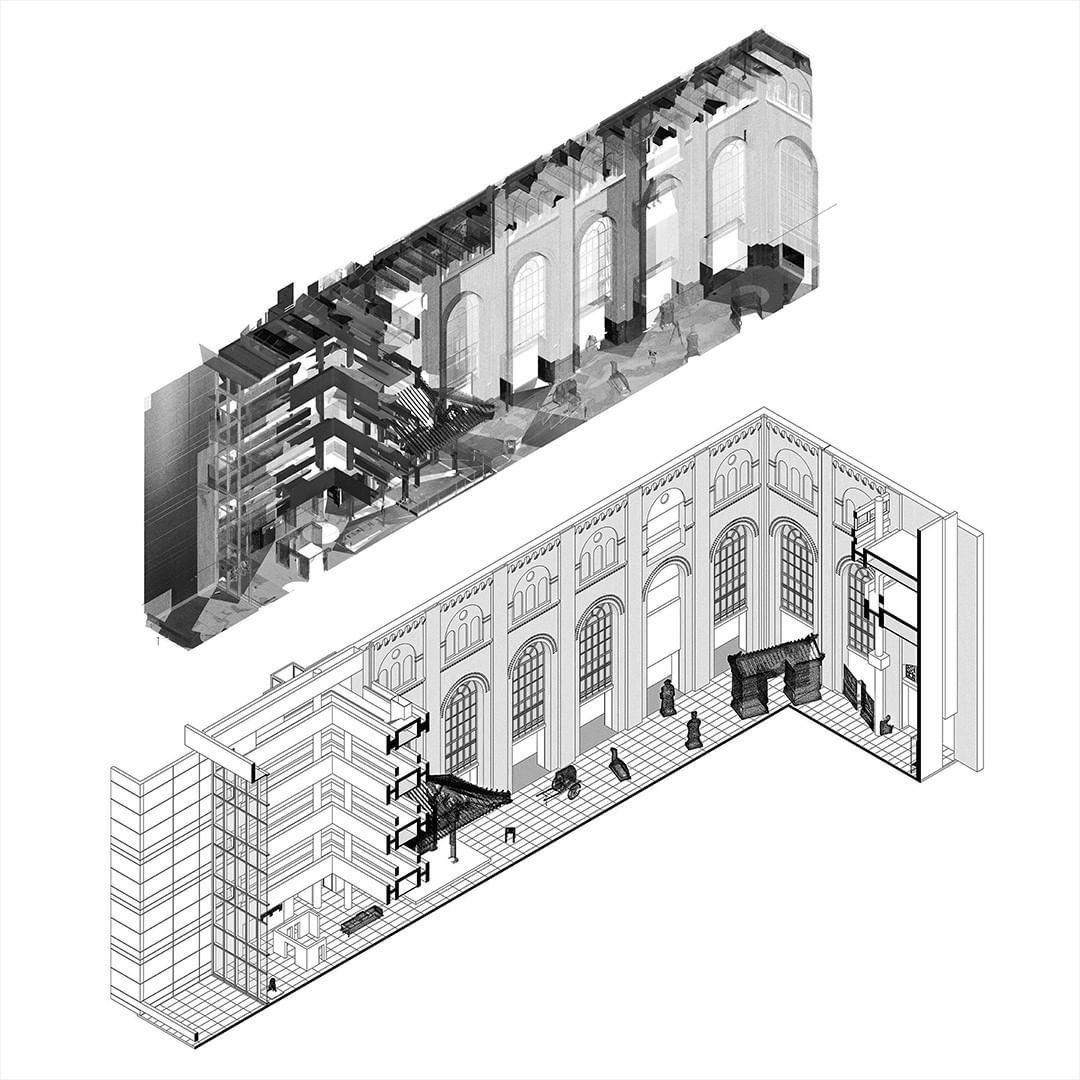
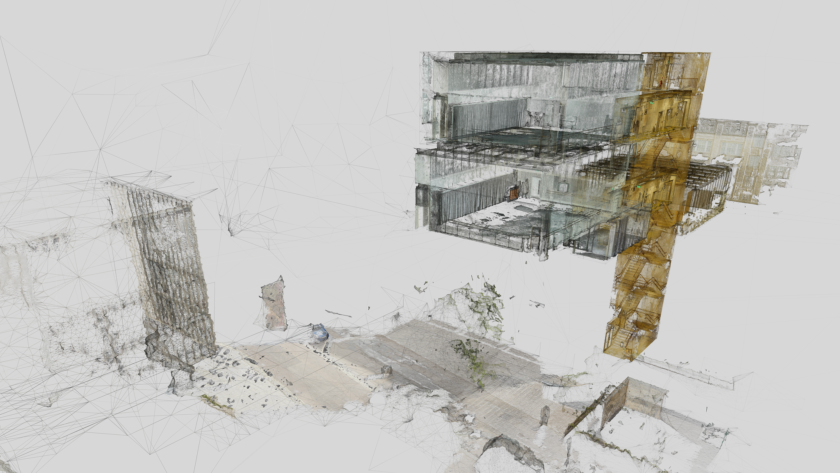
3D scanning is an advanced measurement solution capable of accurately reproducing the shape, structure, and dimensions of real environments.
Building Responsibly
The mission of scanaxis is to facilitate sustainable, precise, and durable construction, supporting the synergy between the digital environment and the real world, so that all industry stakeholders can collaborate efficiently.
Terrestrial Laser Scanning (TLS) utilizes high-precision ground-based LiDAR scanners to obtain detailed 3D models, making it ideal for architectural documentation, infrastructure projects, and industrial site evaluation.
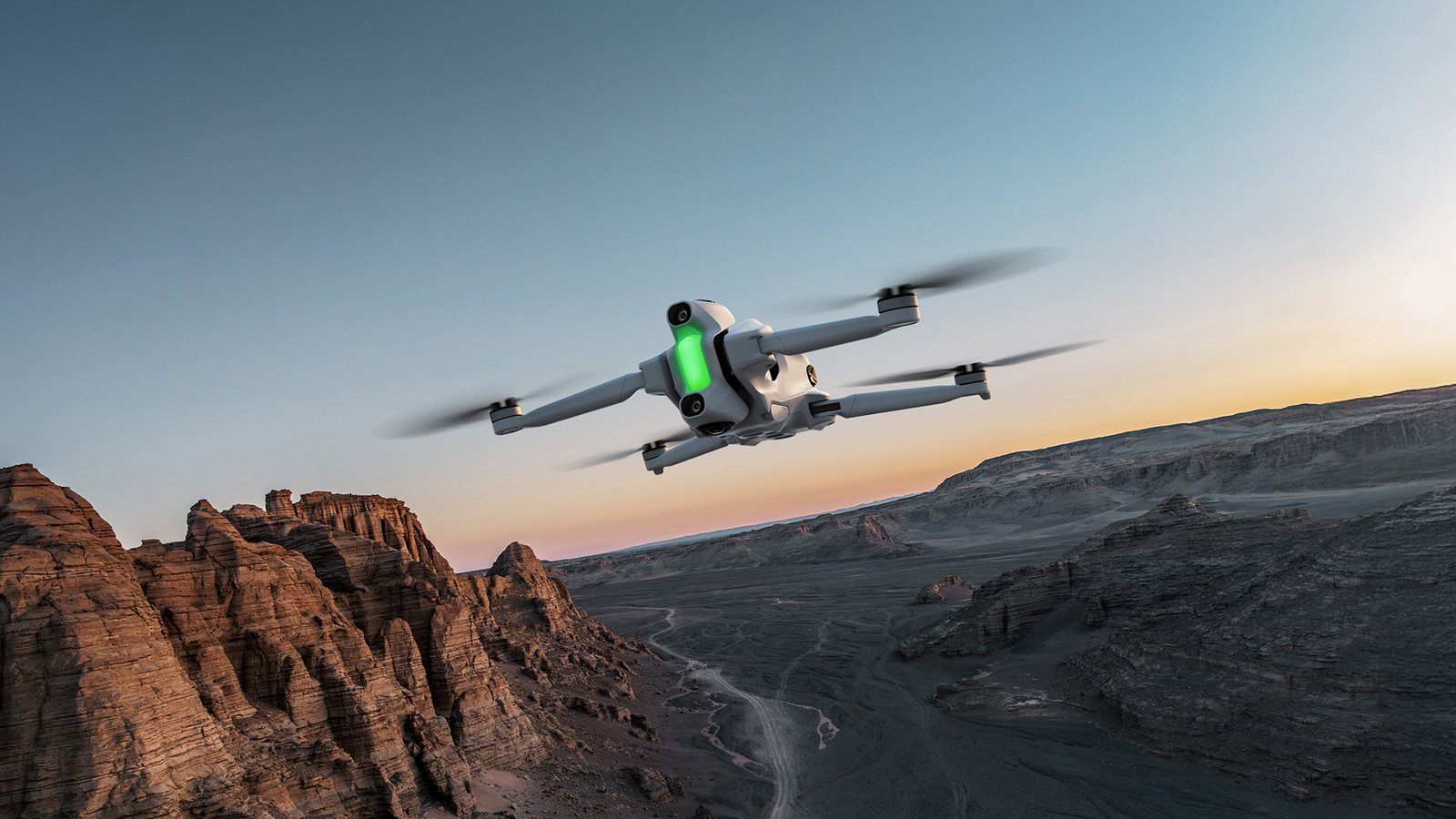
Aerial scanning uses drones with LiDAR and high-resolution cameras for rapid, large-scale data capture in topography and planning.
Maximum precision, reduced costs, and optimal geospatial positioning for civil engineering projects.
1
Environmental studies and geospatial analysis
Flood risk assessment, topographic studies
2
Construction and engineering
Reducing execution errors and ensuring precision
3
Architecture and urban planning
Documenting existing conditions and preserving heritage
4
Real estate and facilities
Asset documentation, renovation planning
Why choose scanaxis
Unrivaled
precision, efficiency, and expertise
Livrăm date geospațiale detaliate și modele 3D, reducând erorile și optimizând resursele.
De la BIM la GIS și Digital Twin, creăm un mediu construit conectat și inteligent.De la BIM la GIS și Digital Twin, creăm un mediu construit conectat și inteligent.
Prin analiza predictivă, fluxuri de lucru eficiente și optimizarea resurselor, sprijinim dezvoltarea responsabilă.
About Us
Applied
Technology
By integrating advanced software solutions for 3D scanning, BIM, GIS, and Digital Twin applications, we ensure seamless integration into our clients' workflows. The use of real-time mobile mapping, high-precision GPS positioning, and predictive analytics tools allows us to optimize project execution, reduce errors, and improve asset management throughout the entire lifecycle.
About Us
Since the 1980s, as the complexity of buildings began to increase, the field of architecture became multi-disciplinary with specializations.
- Urban Codes
- Interior Design
- City Planning
- Residential
- Construction
- Landscapes
- Innovative Design
- Facility Optimization
- Consulting
— Latest projects
Selected case studies
- All Projects
- Architecture
- BIM
- Commercial Construction
- Heritage Conservation
- Industrial
- Infrastructure
- Real Estate Development
- Residential
- Urban Planning
scanaxis Vision
scanaxis integrates geospatial technologies, 3D scanning, and BIM solutions to create unified and precise axis and coordinate systems, used as reference points in all phases of construction projects, thereby contributing to the sustainable development of all involved parties.
Renovations
%
Functional Spaces
%
Architecture
%
Terrestrial Scanning
Terrestrial Laser Scanning (TLS) utilizes high-precision ground-based LiDAR scanners to obtain detailed 3D models, making it ideal for architectural documentation, infrastructure projects, and industrial site evaluation.
Aerial Scanning
Using drones equipped with LiDAR technology and high-resolution optical sensors, we rapidly collect 3D data for extensive areas, supporting applications such as topography, infrastructure monitoring, and efficient site planning.
Site Plans
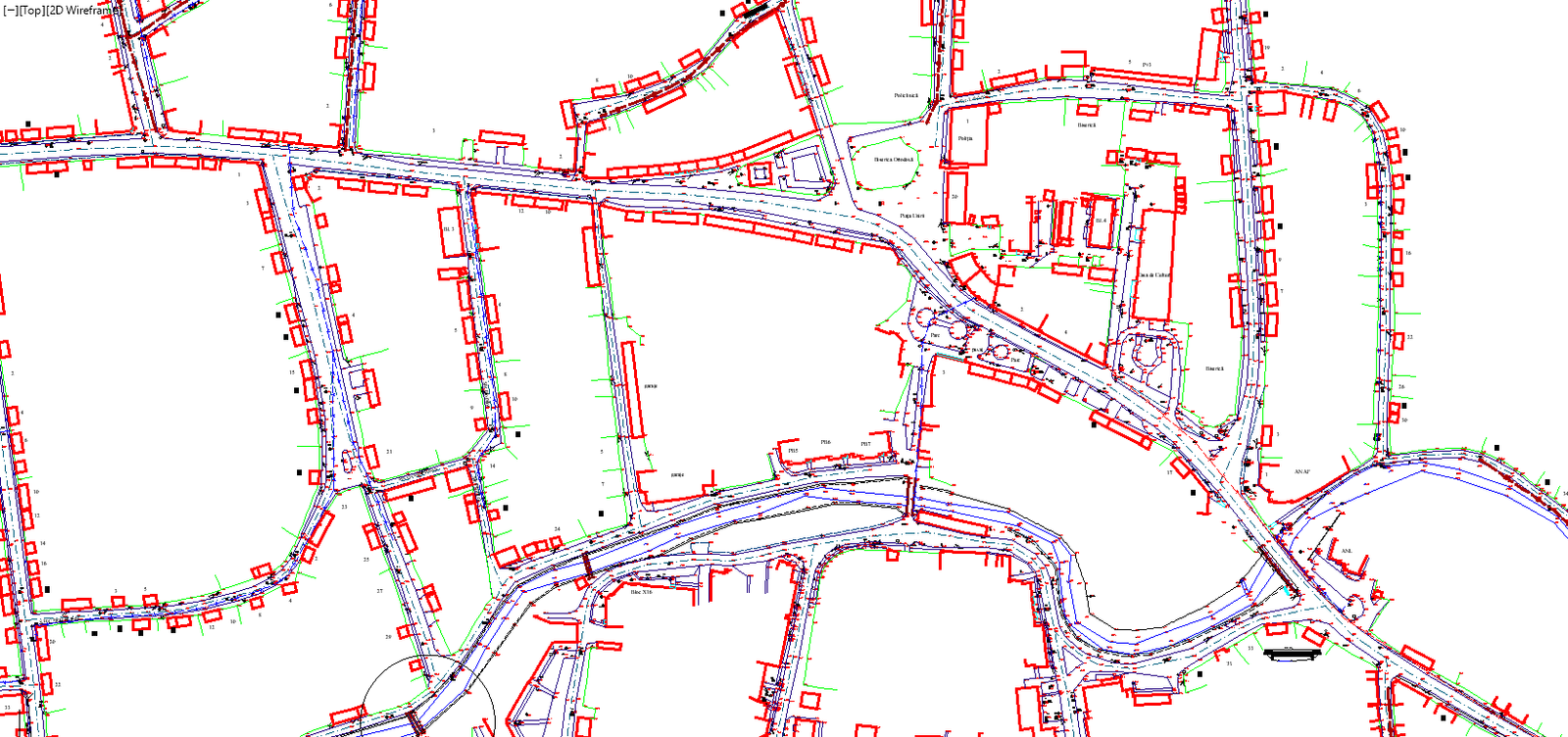
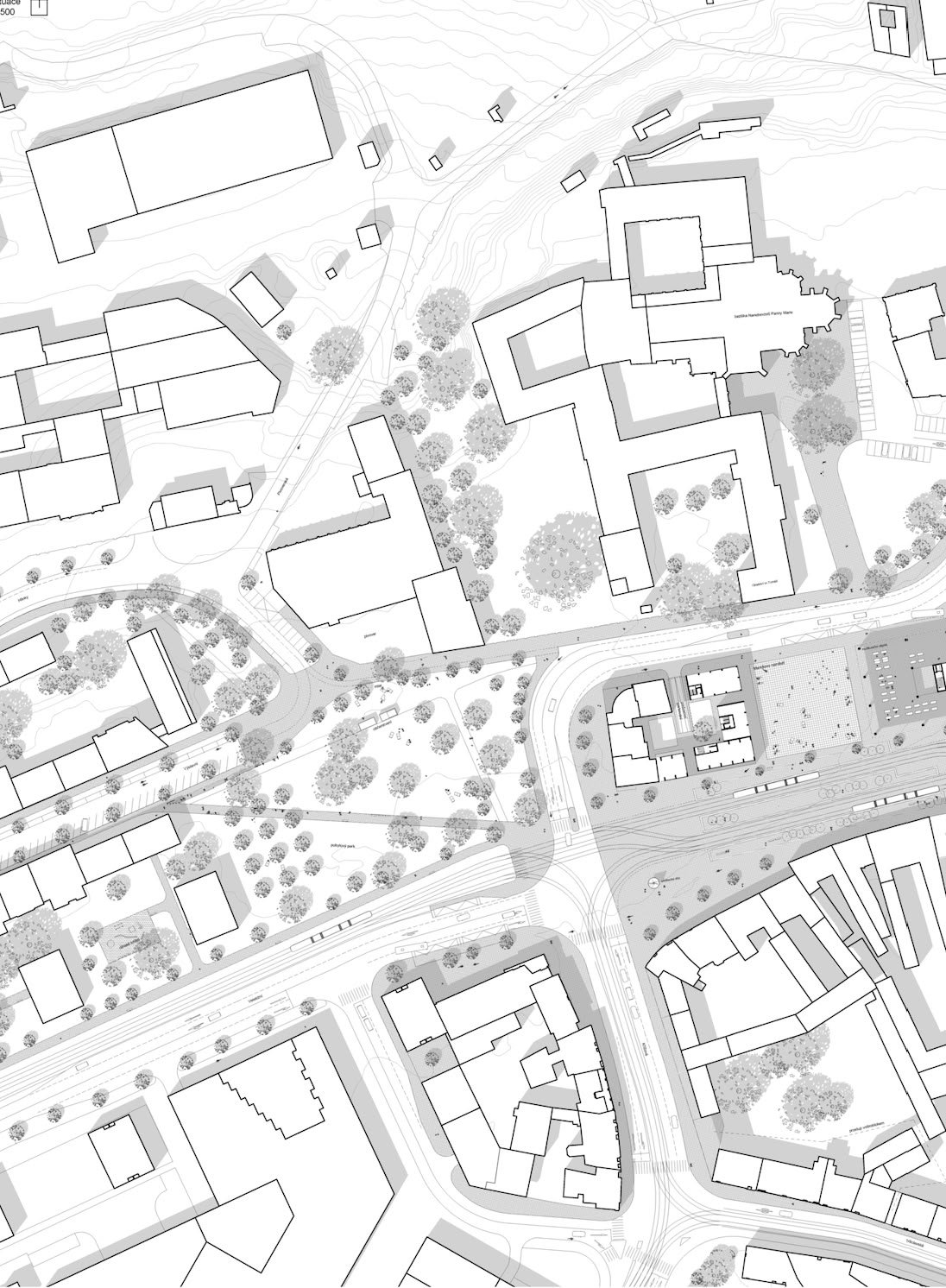
The site plan provides a complete topographic overview of an area, bringing together information about terrain, buildings, infrastructure, and utility networks, serving as a key tool in feasibility assessment, design solution validation, and construction work execution.
Topographic Networks
Topographic networks form the basic geodetic framework of a project, providing extremely precise control points used for positioning and measurements in construction, topography, and infrastructure. By ensuring rigorous georeferencing, they support the accuracy of all design, execution, and mapping stages.
Surveying Assistance
Providing specialized topographic measurement support for major infrastructure projects, including roads, railways, tunnels, and bridges.
Geotechnics
By utilizing high-precision geotechnical instrumentation, such as inclinometers, piezometers, and settlement markers, real-time data collection is ensured, necessary for preventing landslides, foundation failures, and settlements, as well as for substantiating operational interventions and predictive maintenance.
Topographic
Topographic monitoring consists of the periodic or continuous determination and analysis of structural displacements, ground movements, and soil deformations, carried out using high-precision total stations, GNSS receivers, and LiDAR scanning technologies.
Land registry
Land registry services form the legal basis of property rights, ensuring transparent land registration and administration, supporting sustainable development, and facilitating efficient resource management.
Development Process
Our
Approach.
01
/ Analysis
Urban development brings together numerous aspects related to spatial planning, environmental management, social equity, and economic sustainability to create spaces with unique beauty and identity.
02
/ Consulting
We guide you in adopting openBIM standards, ensuring interoperability and seamless integration into operational workflows.
03
/ Implement
We build dynamic digital models that integrate real-time monitoring. Our software-independent approach ensures easy and consistent access for architects, engineers, and asset managers throughout the project duration.
04
/ Monitoring
We provide updates, risk assessments, and continuous support. Our team offers ongoing support so you can maximize the value of your investment.
DIGITALIZATION
AI, Digital Twins, and Autodesk
── Află mai multe
BIM
Between Physical — and Digital
── Află mai multeBIM Technology
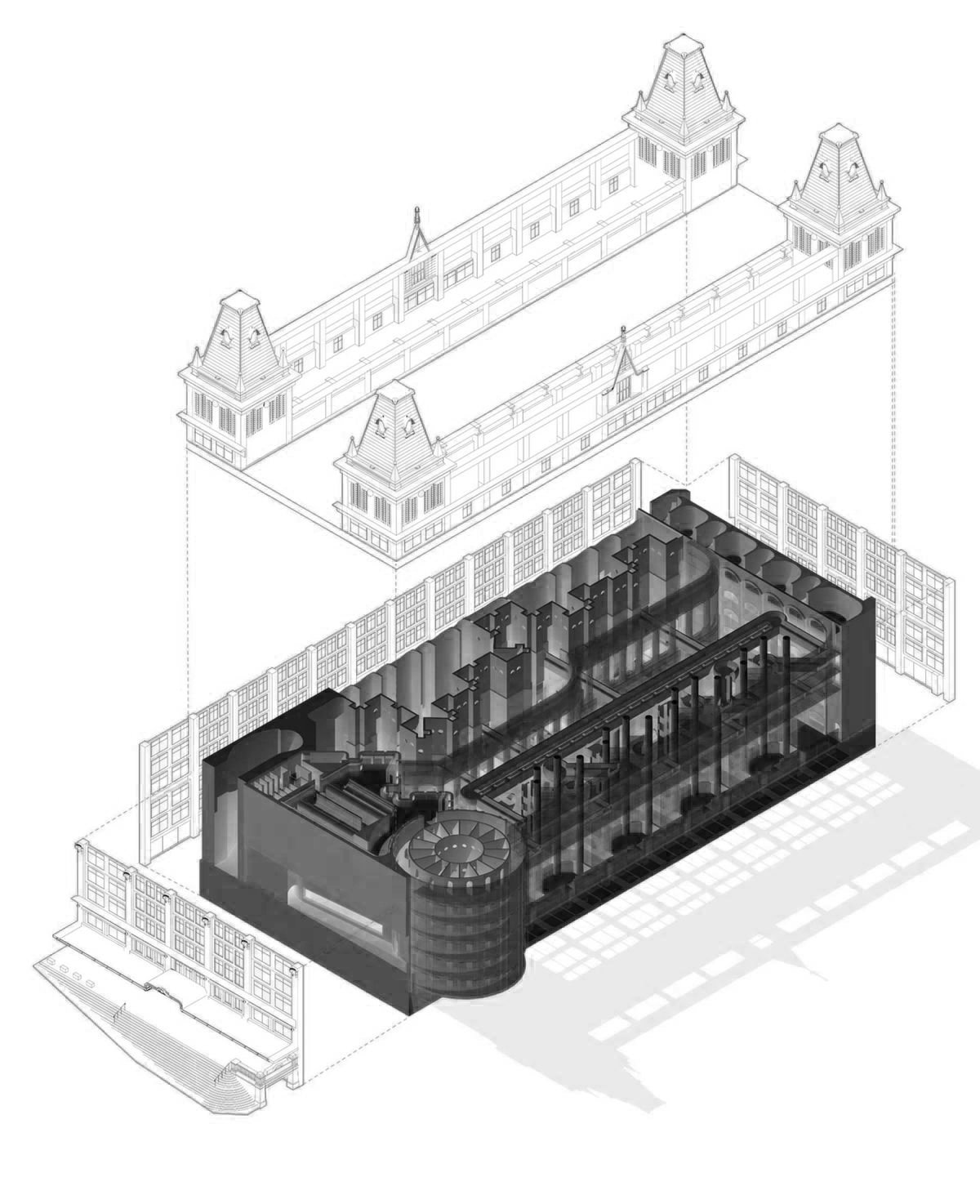
The BIM digital framework promotes better distribution of project frameworks among teams and project planning management, which facilitates a deeper understanding among all stakeholders involved in the construction project.
1.
Real-time estimates for better financial control.
2.
Identify issues before construction begins.
3.
Model energy impact and optimize resources.
4.
Real-time estimates for better financial control.
Latest
News
A dynamic knowledge hub, where digital transformation takes shape.
Tags
The Use of Artificial Intelligence in 3D Modeling
I think that you should be able to select more than one reason for rating.
Tags
The Use of Aerial and Terrestrial Scanners in 3D Scanning and Digital Modeling
3D scanning has become essential for engineering, construction, architecture, and industry.